


Blog
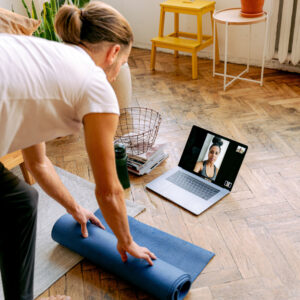
Digital physiotherapy vs printed exercise programs for back pain

For people living with a lumbar disc herniation, sticking to a home exercise program is often one of the biggest challenges. A new randomized controlled trial published in September 2026 explored whether digital rehabilitation could help patients stay engaged and achieve better outcomes than traditional paper-based instructions.
What Did the Study Look At?
Researchers developed a web-based telerehabilitation exercise and monitoring program and compared it with a traditional brochure-based home exercise program. The study involved 46 participants with lumbar disc herniation, with both groups completing the same structured four-week exercise program. The difference was how the exercises were delivered and monitored.
Participants in the digital group accessed exercises through an online platform featuring exercise guidance and remote monitoring, while the comparison group relied on printed exercise materials. Outcomes included pain levels, functional disability, quality of life, and measures of lumbar muscle strength and endurance.
Why This Matters
One of the most common barriers to successful rehabilitation is consistency. Many people receive excellent advice and exercises but struggle to stay on track without ongoing support or accountability.
Digital rehabilitation platforms offer several potential advantages:
- Easy access to exercise instructions
- Improved monitoring of participation
- Greater convenience for people working from home or living in regional areas
- The ability for clinicians to track progress remotely
- Reduced need for frequent in-person appointments
These benefits may help improve engagement with prescribed exercise programs, which is often critical for long-term recovery. The study specifically examined whether a web-based approach could provide advantages over a simple brochure-based program.
What It Means for Workplace Health
With more Australians working remotely or in hybrid environments, digital health solutions are becoming increasingly important. Employees experiencing back pain can access exercise guidance and monitoring from home without needing to attend frequent clinic visits.
For employers, this highlights a growing trend towards technology-supported musculoskeletal care that combines convenience with clinical oversight. For employees, it reinforces that exercise remains a cornerstone of recovery, regardless of whether guidance is delivered in person, digitally, or through a traditional home program.
The Bigger Picture
This research reflects a broader shift in healthcare towards accessible, technology-enabled rehabilitation. While digital tools are not a replacement for professional assessment and treatment, they may help bridge the gap between clinic visits and day-to-day recovery.
As telehealth and remote rehabilitation continue to evolve, digital exercise programs may become an increasingly valuable option for people managing back pain and other musculoskeletal conditions.
Source
Aksu T, Altuntas Yilmaz N, Erdeo F, et al. Development of a telerehabilitation-based exercise and monitoring program and its effectiveness compared with a brochure-based home exercise program in patients with lumbar disc herniation: a randomized controlled trial. Published September 2026 in BMC Sports Science, Medicine and Rehabilitation. [link.springer.com]
Health Disclaimer
Important Health Notice: The information on this website is for general educational purposes only and is not medical advice. It is not intended to diagnose, treat, cure, or prevent any condition, and it is not a substitute for advice from a qualified healthcare professional.
Products sold by Bad Backs are intended for general comfort, support, and ergonomic use. Individual needs differ, and what suits one person may not suit another. Before starting any new product, exercise, or routine, especially if you have an existing injury, medical condition, or persistent pain, consult your doctor, physiotherapist, or other qualified healthcare practitioner.
If you experience severe, worsening, or persistent pain, seek professional medical care promptly. This content is accurate as of the date of publication and may not reflect current guidance.

Jonathan Hulme
Digital physiotherapy vs printed exercise programs for back pain

How to fix bad posture: what works, what does not, and the supports that help

 24/7 Office Chairs
 Control Room Chairs
 24/7 Task Chairs
 Ergonomic Office Chairs
 Budget Office Chairs
 Standard Office Chairs
 Premium Office Chairs
 Drafting Chairs
 Heavy Duty & Bariatric Chairs
 Small / Petite Chairs
 Executive Chairs
 Boardroom Chairs
 Executive Chairs – Budget
 Executive Chairs – Premium
 Herman Miller Chairs
 Gaming Chairs
 Hospitality & Cafe Chairs & Stools
 Bar & Cafe Chairs
 Bar Stools
 Production, Lab & Cleanroom Seating
 Lab & Cleanroom Chairs
 Lab & Cleanroom Stools
 ESD Chairs & Stools
 Production Chairs & Stools
 Kids Chairs
 Kneeling Chairs
 Meeting & Conference Room Chairs
 Saddle Chairs
 Saddle Seats With Backs
 Saddle Seats Without Backs
 Saddle Chair Accessories – Bambachs
 Sit Stand & Active Seating
 Active Perching Stools
 Static Perching Stools
 Active Chairs
 Visitor & Waiting Room Chairs
 Sled Base Chairs
 4 Leg Chairs
 Plush & Upholstered Chairs
 Clearance
 Cabinets and Storage
 Book Shelves / Hutches
 Credenzas / Side Tables
 Cupboards
 Drawers / Pedestals
 Desk Accessories
 Anti Fatigue / Active Mats
 Desk Cable Trays / Cable Management
 CPU Holders
 Desk Power Modules and Accessories
 Desk Privacy Screens & Modesty Boards
 Cafe / Hospitality Tables
 Tables for Sitting
 Tables for Standing
 Table Bases
 Kids Desks
 Mobile Carts & Workstations
 Health Care / Hospital Carts
 Home & Office Mobile Units
 Office Acoustic Management
 Office Meeting Booths
 Desks & Tables – Fixed Height
 Rectangle Office Desks & Returns
 Corner Desks & Workstation Pods
 Meeting & Conference Room Tables
 Coffee Tables
 Reception Counters / Areas
 Reception / Admin Counters
 Reception Lounge Seating
 Reception Chairs / Ottomans
 Recliners
 Recliners / Sofas
 Recliners – Zero Gravity
 Massage Chairs & Tables
 Sit Stand Desk Units – Place on existing Desk
 Electric – ‘Place’ On Desk Units
 Manual – ‘Place’ on Desk Units
 Sit Stand Desks – Electric
 Corner (Three Leg) Electric Desks
 Rectangle (Two Leg) Electric Desks
 Sit Stand Desks – Manual
 Single Column Manual Desks
 Rectangle (Two Leg) Manual Desks
 Corner (3 Leg) Manual Desk
 Sit Stand Desk Frames
 Electric Corner (3 Leg) Desk Frames
 Electric Rectangle (2 Leg) Desk Frames
 Table Tops
 Corner Desk Tops
 Rectangle Desk & Table Tops
 Round Cafe, Office & Meeting Room Tops
 Clearance
 Air Cooling and Purification
 Bags & Backpacks
 Desk Lamps
 Document Holders
 Ergonomic Mouse / Mice
 Bluetooth Mouse
 Left Hand / Ambitextrous Mouse
 Roller Bar Mouse
 Track Ball Mouse
 Traditional Style Mouse
 Vertical Mouse
 Ergonomic Keyboards
 Bluetooth Keyboards
 Compact Keyboards
 Full Size Keyboards
 Number Pads
 Split Keyboards
 Floor and Anti Fatigue Mats
 Active Standing Boards
 Anti Fatigue Mats
 Chair Mats
 Foot Rests
 High Rise Foot Rests
 Leg Rests
 Rocking Footrest – Height Adjustable
 Rocking Footrests – No Height Adjustment
 Static Footrests – Height Adjustable
 Static Footrests – No Height Adjustment
 Headsets
 Keyboard Trays
 Monitor, Laptop Risers & Stands
 Laptop Stands
 Monitor Risers
 Tablet & Phone Holders / Stands
 Monitor Arms
 Single Monitor Arms
 Dual Monitor Arms
 Arms For Three Or More Screens
 Wall Mount Monitor Arms
 Monitor Arm Accessories
 Wrist & Forearm Supports
 Forearm Supports
 Wrist Pads / Mouse Pads
 Clearance
 Pillows
 Sleeping Pillows
 CPAP / Specialty Pillows
 Travel Pillows
 Mattresses
 Mattresses – Hybrid Premium
 Mattresses – Memory Foam Premium
 Mattresses – Home Care Pressure Relieving – Air
 Mattresses – Home Care Pressure Relieving – Foam
 Electric Adjustable Bed Bases
 Two Motor Electric Adjustable Base
 Three and Four Motor Electric Adjustable Base
 Home Care Hi-Lo and Lo-Lo Adjustable Base
 Bed Wedges
 Bedroom Furniture & Accessories
 Bed Mobility / Safety
 Headboards and Surrounds
 Body Pillows / Bed Lounges
 Bolsters / Bed Lumbar Supports
 Leg Wedges / Knee Supports
 Mattress Protectors & Sheets
 Bed Sheets
 Mattress Protectors
 Mattress Toppers
 Specialty Support Pillows
 Clearance
 Braces – Arm
 Forearm & Elbow Braces
 Hand & Wrist Braces
 Braces – Back
 Lower Back / Lumbar Braces
 Pelvic / Sacroilliac Belts
 Thoracic / Posture Braces
 Braces – Leg
 Ankle Braces
 Knee Braces
 Braces – Neck & Shoulder
 Neck Supports
 Shoulder Supports
 Cushions – Lumbar and Back
 Inflatable & Self Inflating Supports
 Lumbar Supports – High Back Premium
 Lumbar Supports – Medium Back
 Smaller Supports and Half Rolls
 Cushions – Sitting
 Active Seat Cushions
 Coccyx Cut Out Cushions
 Donut Seat Cushions
 Inflatable & Self Inflating Seat Cushions
 Swivel Cushions
 Wedge Seat Cushions
 Bathroom Safety
 Bathtup Safety
 Grab Rails
 Bath / Shower Seating
 Toilet Seats & Rails
 Bedroom Safety
 Healthcare Beds
 Mattresses – Pressure Relieving
 Healthcare Furniture
 Lift Chairs
 Pressure Care
 Reaching Aids
 Vehicle & Travel Products
 Outdoors
 Vehicle Aids
 Wheelchairs and Scooters
 Manual Wheelchairs
 Electric Wheelchairs
 Mobility Scooters
 Wheelchair Cushions
 Rollators
 Rollators – 3 Wheel
 Rollators – 4 wheel
 Rollators – Forearm & Knee
 Standing Assistance
 Walking Frames
 Walking Sticks
 Crutches
 Creams & Gels
 Compression Therapy
 Exercise Products
 Balance / Stability / Cooordination
 Exercise Mats
 Training Balls
 Resistance Bands
 Hot & Cold Therapy
 Inversion & Traction
 Inversion / Traction Devices
 Lumbar / Thoracic Stretching
 Neck / Cervical Traction
 Massage Chairs
 Massage Tables
 Massagers / Massage Tools
 Foot Massagers
 Electric Massagers
 Trigger Point / Massage Tools
 Tens & Ems Machines
 Clearance
 Body Cooling Products
 Healthcare Workstations
 Ladders and Safety Equipment
 Safety Stools / Steps
 Manual Handling Equipment
 Lifting & Handling Equipment
 Trolleys and Carts
 Medical Equipment